Samenvatting
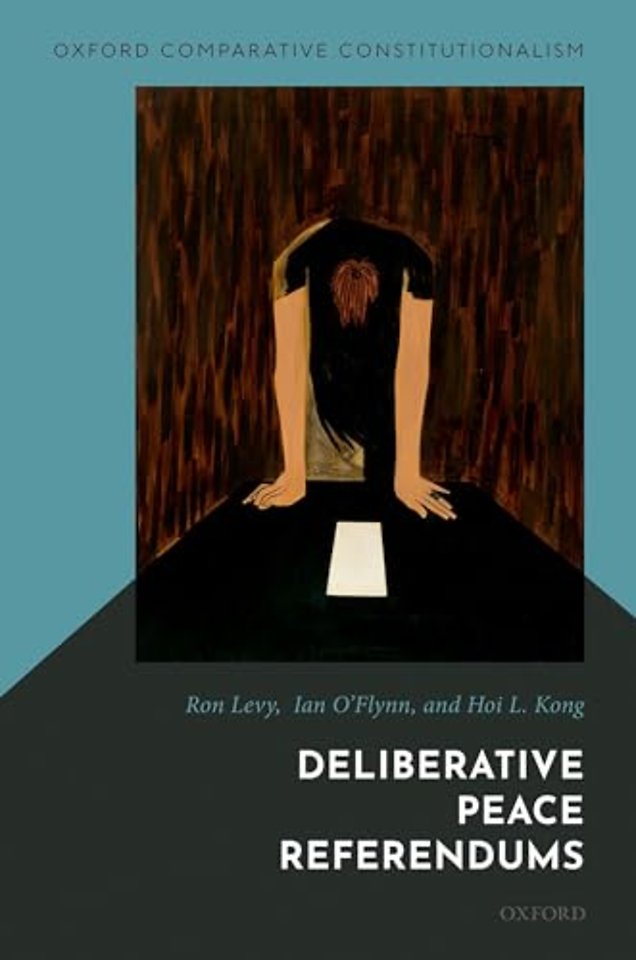
Peace referendums', which seek to manage conflict between warring groups, are increasingly common. Yet they remain erratic forces—liable as often to aggravate as to resolve tensions. This book argues that, despite their risks, referendums can play useful roles amid armed conflict. Drawing on a distinctive combination of the fields of deliberative democracy, constitutional theory and conflict studies, and relying on comparative examples (eg, from Algeria, Colombia, New Caledonia, Northern Ireland, Papua New Guinea, and South Africa), the book shows how peace referendums can fulfil their promise as genuine tools of conflict management.
Specificaties
ISBN13:9780198867036
Taal:Engels
Bindwijze:Gebonden
Aantal pagina's:244
Lezersrecensies
Wees de eerste die een lezersrecensie schrijft!
Rubrieken
- advisering
- algemeen management
- coaching en trainen
- communicatie en media
- economie
- financieel management
- inkoop en logistiek
- internet en social media
- it-management / ict
- juridisch
- leiderschap
- marketing
- mens en maatschappij
- non-profit
- ondernemen
- organisatiekunde
- personal finance
- personeelsmanagement
- persoonlijke effectiviteit
- projectmanagement
- psychologie
- reclame en verkoop
- strategisch management
- verandermanagement
- werk en loopbaan