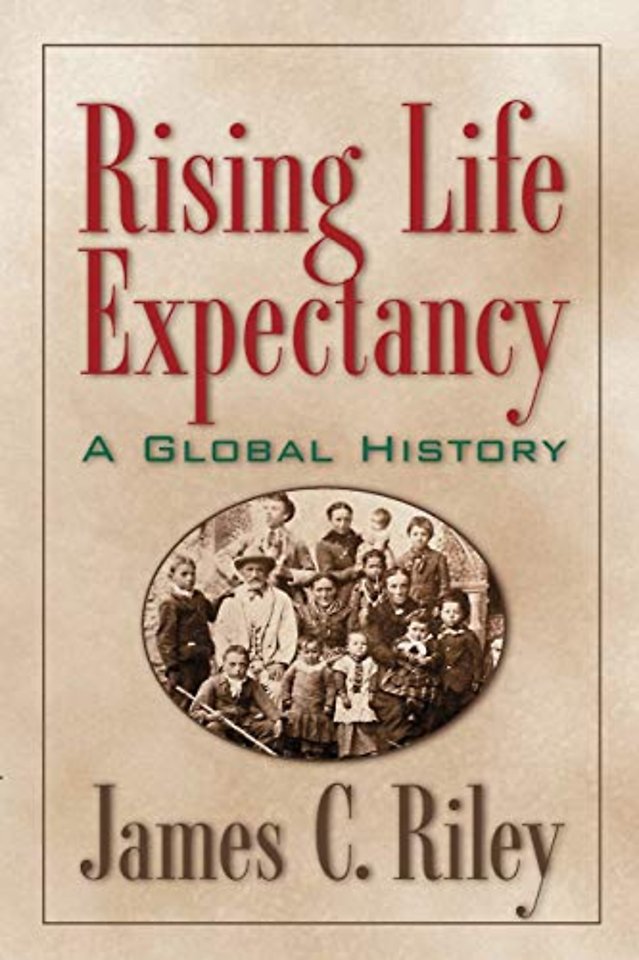
Rising Life Expectancy
A Global History
Paperback Engels 2001 9780521002813Samenvatting
Between 1800 and 2000 life expectancy at birth rose from about 30 years to a global average of 67 years, and to more than 75 years in favored countries. This dramatic change, called the health transition, is characterized by a transition both in how long people expected to live, and how they expected to die. The most common age at death jumped from infancy to old age. Most people lived to know their children as adults, and most children became acquainted with their grandparents. Whereas earlier people died chiefly from infectious diseases with a short course, by later decades they died from chronic diseases, often with a protracted course. The ranks of people living in their most economically productive years filled out, and the old became commonplace figures everywhere. Rising Life Expectancy: A Global History examines the way humans reduced risks to their survival, both regionally and globally, to promote world population growth and population aging.
Specificaties
Lezersrecensies
Inhoudsopgave
Rubrieken
- advisering
- algemeen management
- coaching en trainen
- communicatie en media
- economie
- financieel management
- inkoop en logistiek
- internet en social media
- it-management / ict
- juridisch
- leiderschap
- marketing
- mens en maatschappij
- non-profit
- ondernemen
- organisatiekunde
- personal finance
- personeelsmanagement
- persoonlijke effectiviteit
- projectmanagement
- psychologie
- reclame en verkoop
- strategisch management
- verandermanagement
- werk en loopbaan